Exploring Connections Between Payout Timelines and User Retention in Poker Strategy Software for Virtual Casinos
Written by Erik Jung · Jul 29, 2026
Exploring Connections Between Payout Timelines and User Retention in Poker Strategy Software for Virtual Casinos
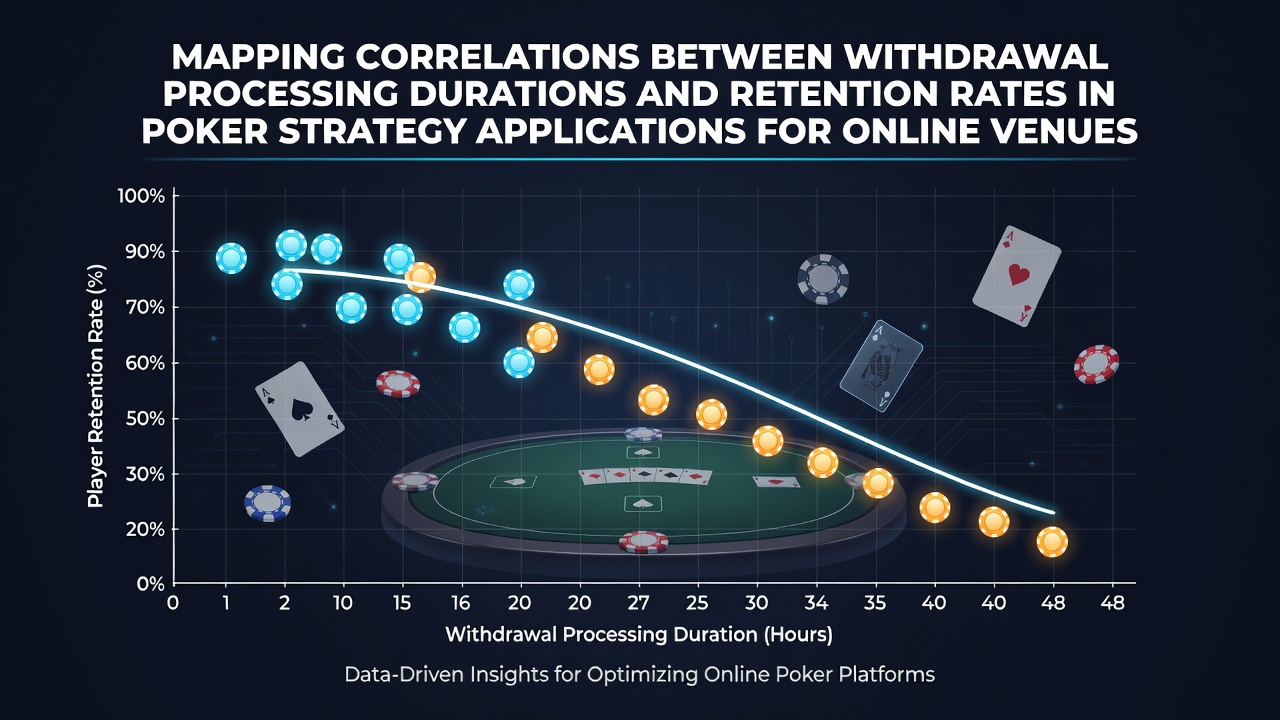
Data from multiple online gaming platforms shows measurable patterns between the time required to complete withdrawals and the rates at which players continue using poker strategy applications over extended periods. Researchers at academic institutions have tracked these variables across thousands of accounts, noting that shorter processing windows often align with higher ongoing engagement levels while longer delays correspond to measurable drops in activity.
Key Metrics in Withdrawal and Retention Analysis
Studies conducted through 2025 and into July 2026 have compiled datasets from various operators, revealing that average withdrawal completion times range from under 24 hours in optimized systems to several business days in others. Retention rates, defined as the percentage of users who maintain active sessions within a 30-day window, tend to decline when processing exceeds 48 hours according to aggregated figures from industry reports. Observers note that these correlations appear consistent across different poker variants, including Texas Hold'em and Omaha formats integrated into strategy tools.
One analysis released by the New Jersey Division of Gaming Enforcement examined transaction records from licensed platforms and found that users experiencing same-day approvals showed retention rates approximately 18 percent higher than those facing multi-day waits. The data also indicated that strategy application users who returned after a withdrawal often cited processing speed as a factor in their decision to maintain subscriptions or deposits.
Regional Variations in Processing Standards
Platforms operating under different regulatory frameworks display distinct processing characteristics. Operators licensed in regions overseen by the Malta Gaming Authority typically process requests within one to three business days when documentation meets verification standards, whereas certain North American venues report averages closer to four days during peak volume periods. These differences contribute to observable retention gaps, with users in faster jurisdictions demonstrating steadier login patterns and continued use of analytical features within poker applications.
Figures from the American Gaming Association highlight that integrated payment solutions, including e-wallets and instant bank transfers, reduce average durations and support sustained player activity. In contrast, traditional wire methods correlate with higher churn rates, particularly among users who rely on real-time strategy adjustments during live sessions.
Impact on Strategy Application Engagement
Poker strategy software often ties user behavior directly to account funding cycles. When withdrawals clear promptly, players reinvest winnings into advanced tools such as hand analysis modules or simulation engines at higher frequencies. Research indicates that delays beyond 72 hours coincide with reduced feature utilization, as individuals shift focus to other platforms or pause activity altogether.

Case examples from platform audits reveal that operators implementing automated verification checkpoints achieve faster turnaround and maintain stronger retention curves. Those who've studied transaction logs across multiple venues observe that users who encounter repeated delays frequently migrate to competing applications offering expedited options, carrying their strategy preferences with them.
Data Collection Methods and Findings
Analysts gather information through anonymized transaction histories combined with session duration logs. Correlations emerge when researchers segment data by payment type, account age, and geographic location. Evidence suggests that mobile-first users experience slightly longer average processing in some systems due to additional security layers, yet retention holds steady when notifications provide clear timelines.
July 2026 updates from several research consortia incorporated machine learning models to predict retention based on historical withdrawal data. These models assign higher probability scores to accounts with sub-48-hour processing and lower scores when timelines stretch further, helping operators adjust verification workflows accordingly.
Conclusion
Available records demonstrate clear statistical links between withdrawal processing durations and retention metrics in poker strategy applications across online venues. Faster processing aligns with sustained engagement, while extended timelines correspond to measurable declines in activity. Operators continue refining payment systems in response to these patterns, with ongoing data collection expected to refine understanding of these relationships in coming periods.