Patterns in Payment Processing Reveal How American Players Optimize Multi-Game Bonus Cycles Across Digital Platforms
Written by Eden Simmons · Jul 31, 2026
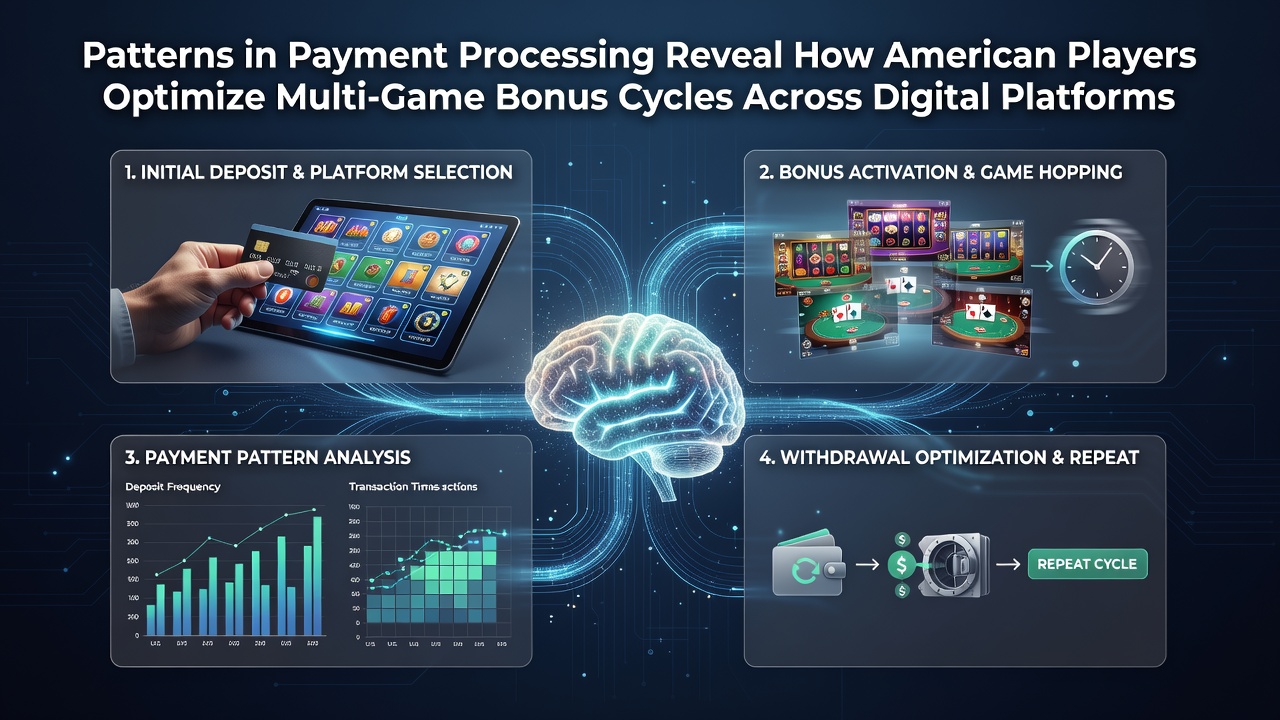
Patterns in Payment Processing Reveal How American Players Optimize Multi-Game Bonus Cycles Across Digital Platforms
Payment processing systems in American online casinos have developed distinct patterns that players employ when handling multi-game bonus requirements. These systems track transaction speeds, approval rates, and integration with various gaming categories, which in turn shape how users distribute play across slots, table games, and live dealer options to meet wagering conditions.
Transaction Timing and Bonus Clearance Sequences
Data from major payment processors shows that American players frequently initiate deposits through instant methods such as e-wallets and digital bank transfers during bonus activation windows. This approach allows immediate access to multiple game types without delays that could interrupt cycle completion. Research indicates that platforms supporting same-minute funding see higher volumes of cross-category play, where users alternate between high-volatility slots and lower-stakes table games within single bonus periods.
Observers note that clearance tactics often involve sequencing payments to align with game-specific contribution rates. For instance, one documented pattern involves funding an account, starting with video slots that carry 100 percent contribution, then shifting to blackjack or roulette segments once initial requirements reach thresholds. Such sequences rely on payment gateways that confirm transactions in under 30 seconds, reducing the risk of session timeouts across different titles.
Platform Integration and Multi-Account Management
Studies from industry reports highlight how players coordinate payments across several licensed platforms to maximize bonus cycles. When one site imposes daily deposit limits, users route subsequent transactions through alternative processors on secondary accounts. This method maintains continuous play momentum while distributing bonus obligations. Figures from the American Gaming Association reveal that mobile-optimized payment flows account for over 60 percent of such multi-platform activity in recent quarters.
Regional Variations in Payment Preferences
American players in states with expanded online gaming access demonstrate preferences for processors that support both traditional cards and cryptocurrency options. These choices enable faster cycling between games because certain digital currencies bypass standard banking holds. A 2025 analysis by the University of Nevada, Las Vegas gaming research group found that hybrid payment users completed bonus requirements across three or more game categories at rates 25 percent higher than those relying on single-method deposits.
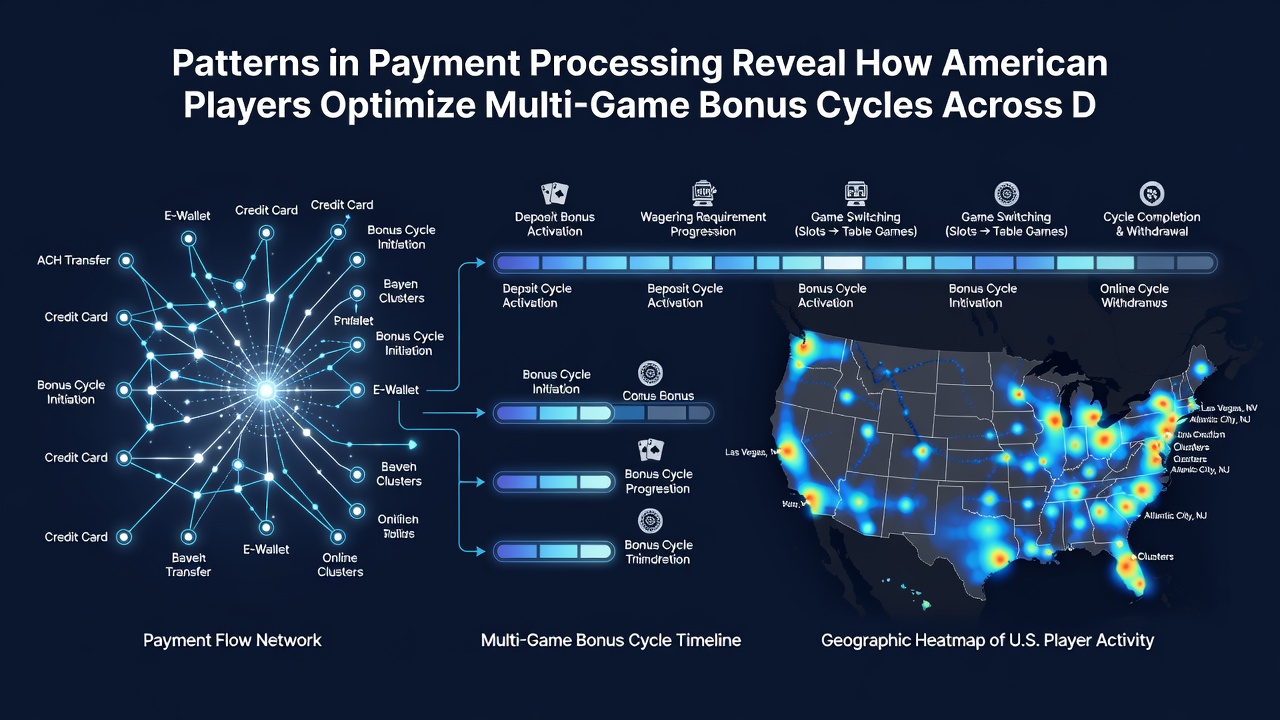
But here's the thing: regulatory updates scheduled for implementation in July 2026 may standardize reporting requirements for these payment flows in participating states. Operators have begun adjusting their systems to accommodate new transparency rules, which could further influence how players structure their multi-game approaches.
Game Category Contribution and Processor Compatibility
Payment processors that integrate directly with casino software often display real-time contribution percentages for each game type. Players use this visibility to select sequences that accelerate bonus clearance. Evidence suggests that sites offering unified dashboards for payments and game tracking see repeated patterns of users rotating through slots, video poker, and live tables in calculated order. One study revealed that participants who monitored processor fees alongside contribution rates achieved completion rates that avoided common forfeiture points.
What's interesting is the emergence of automated tools within payment apps that flag optimal deposit times based on historical bonus data. These features connect transaction history with game libraries, allowing users to plan cycles that span multiple platforms without manual recalculation each time.
Conclusion
Payment processing patterns continue to evolve alongside American online casino offerings. As platforms refine their integration capabilities and regulatory frameworks adjust, the methods players use to navigate multi-game bonus cycles reflect measurable adaptations in transaction behavior. Continued monitoring of these trends provides insight into how digital payment infrastructure supports structured play across diverse gaming environments.