Payment Gateway Choices Influencing Bankroll Strategies in State-Regulated Mobile Poker Applications
Written by Yves Keller · Aug 23, 2026
Payment Gateway Choices Influencing Bankroll Strategies in State-Regulated Mobile Poker Applications
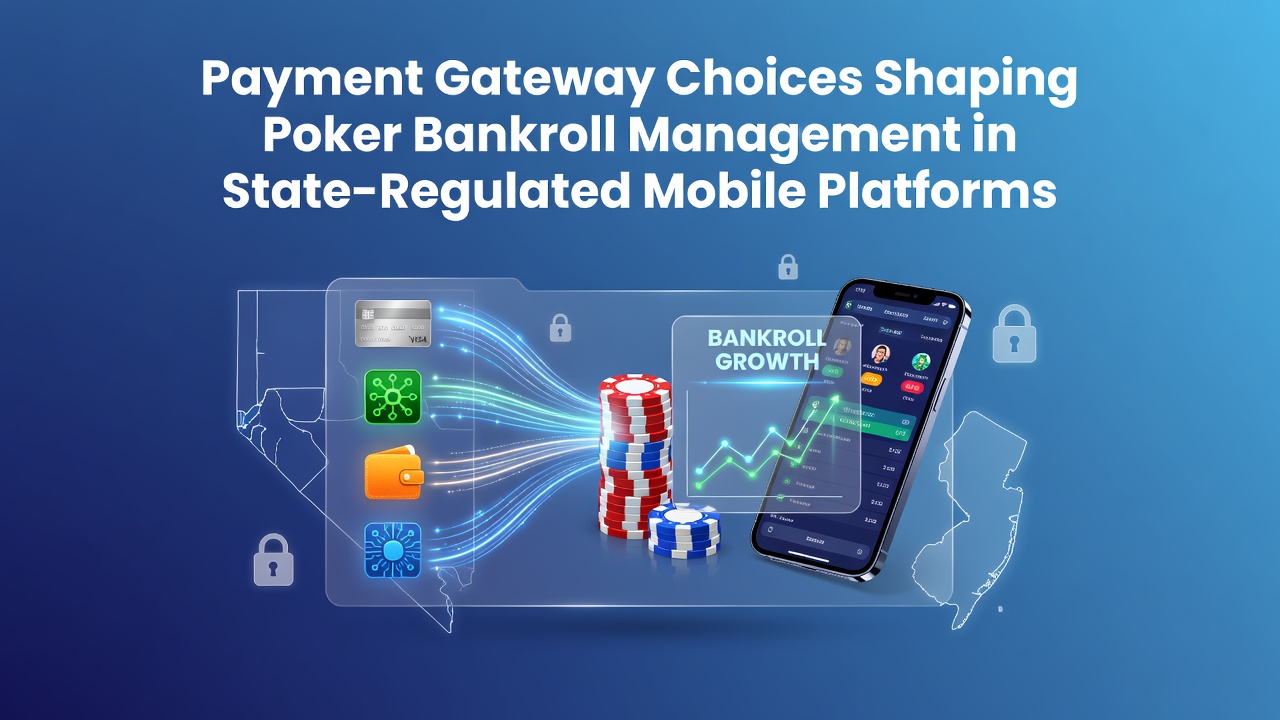
Payment gateway selections now shape how players handle deposits, withdrawals, and overall bankroll allocation on state-regulated mobile poker platforms across multiple jurisdictions. These systems determine transaction speeds, associated fees, and security protocols that directly affect cash flow management during extended play sessions. Observers note that regulated operators in states like New Jersey and Pennsylvania integrate specific gateways to comply with licensing requirements while supporting player preferences for instant funding options.
Common Gateways and Their Operational Features
State-regulated platforms typically offer credit and debit card processing through major networks alongside e-wallet services such as PayPal and Skrill, with some adding bank transfer capabilities for larger transfers. Each option carries distinct processing times that influence how quickly funds become available for poker tables or tournaments. Research from industry reports indicates that card-based deposits often clear within seconds on compliant apps, whereas certain e-wallets introduce brief verification steps that delay access during peak hours.
Bankroll management relies on predictable inflows and outflows, so players frequently select gateways based on withdrawal timelines that range from same-day processing to multi-day holds depending on verification status. Data shows these variations affect session planning because delayed withdrawals can tie up capital that might otherwise support continued play or separate bankroll segments for different game types.
Fee Structures and Net Bankroll Effects
Transaction fees vary by gateway and platform policy, with some operators absorbing costs on deposits while passing withdrawal charges to users. Percentage-based fees on larger transfers reduce effective bankroll amounts over time, prompting players to consolidate transactions or choose flat-fee alternatives where available. According to figures from the Nevada Gaming Control Board, average processing costs remain under 3 percent for most regulated channels, yet cumulative effects become noticeable during frequent small deposits common in mobile poker routines.
Those who study player behavior observe that fee awareness leads to strategic shifts such as using specific gateways for bonus-eligible deposits or timing withdrawals to avoid peak-period surcharges. This approach maintains bankroll integrity by minimizing unnecessary deductions that erode stack sizes before play begins.
Security Protocols and Compliance Influences
Regulated mobile platforms enforce encryption standards and two-factor authentication through their chosen gateways to meet state oversight mandates. These measures protect account balances during transfers and reduce fraud risks that could otherwise disrupt bankroll continuity. In August 2026 several New Jersey operators expanded gateway partnerships to include additional tokenization features, resulting in faster secure logins without altering existing fee schedules.
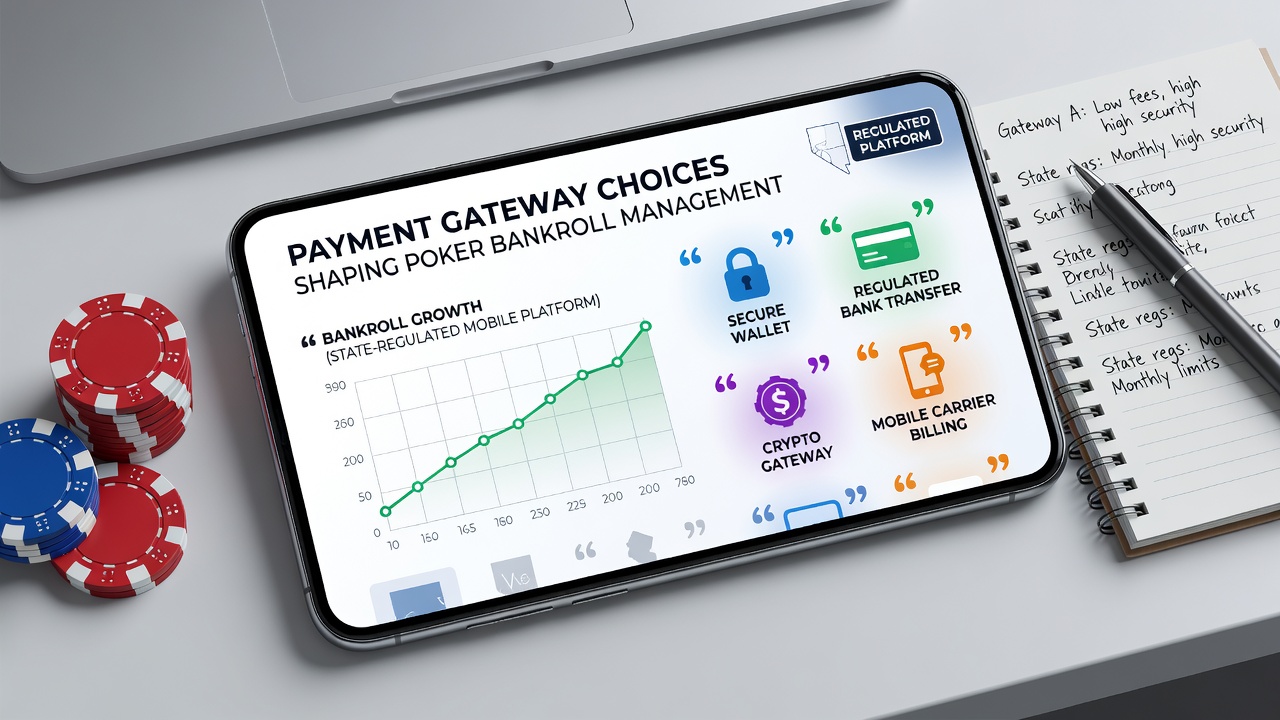
Compliance requirements also dictate record-keeping practices that help platforms monitor unusual transaction patterns, indirectly supporting responsible bankroll controls by flagging potential issues early. Players benefit from these layered protections because verified accounts experience fewer holds during routine withdrawals, allowing smoother transitions between poker sessions.
Strategic Adjustments in Mobile Poker Contexts
Bankroll segmentation strategies adapt to gateway availability because instant deposit options enable quicker top-ups during losing streaks, whereas slower methods encourage larger initial funding to cover extended play periods. Studies reveal that users on platforms with multiple gateways tend to maintain separate digital wallets aligned with different transaction preferences, which helps track spending across cash games and multi-table tournaments.
Turnout patterns indicate that players often test gateway combinations during low-stakes periods to identify optimal flows for their preferred game formats. This testing reduces friction when scaling up to higher buy-in events where precise fund availability matters most.
Conclusion
Payment gateway choices continue to define operational realities for bankroll management on state-regulated mobile poker platforms through their effects on speed, cost, and security. As platforms update integrations in response to regulatory developments, players gain more tools to align transaction methods with individual playing patterns and financial oversight needs. These systems remain central to how regulated environments support sustained participation while maintaining compliance standards across jurisdictions.