Selecting Optimal Payment Methods to Improve Live Dealer Poker Outcomes on Mobile Devices
Written by Eden Simmons · Aug 26, 2026
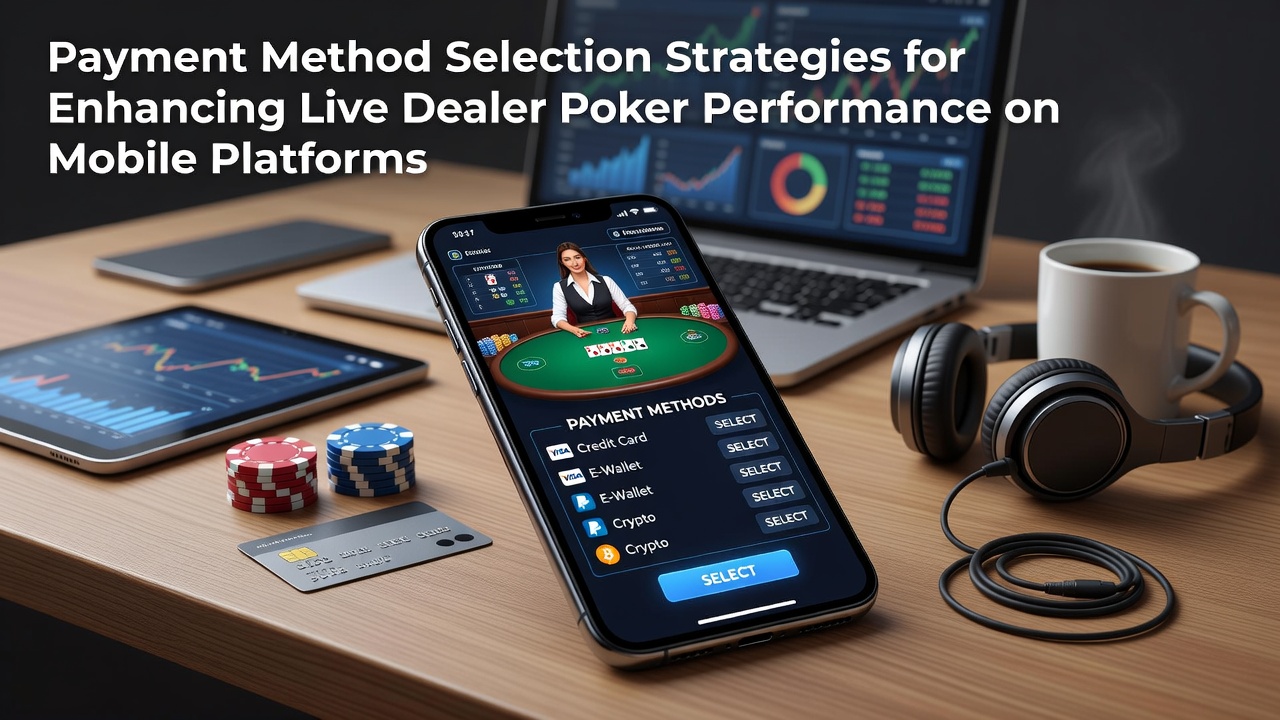
Selecting Optimal Payment Methods to Improve Live Dealer Poker Outcomes on Mobile Devices
Payment method selection plays a direct role in how players manage funds during live dealer poker sessions on mobile platforms, where transaction speed and reliability influence the ability to respond quickly to table dynamics. Data from industry analyses show that methods with shorter processing times reduce delays between hands, allowing participants to maintain consistent engagement without interruptions from pending transfers.
Core Factors in Payment Method Evaluation
Transaction fees represent one measurable element that affects overall bankroll preservation across extended sessions, since even small percentages compound when players execute multiple deposits and withdrawals. Research from gaming associations indicates that e-wallet options often carry lower per-transaction costs compared with direct bank links, which can preserve more capital for continued play in games that require frequent adjustments to bet sizing.
Security protocols also factor into selection because mobile environments expose users to additional network risks, and methods incorporating two-factor authentication or tokenization demonstrate reduced incidence of unauthorized access according to reports compiled by regional regulators. Those who examine platform certifications find that verified processors align with established encryption standards, supporting uninterrupted participation without repeated verification steps that interrupt game flow.
Mobile-Specific Compatibility Considerations
Application integration determines whether a payment method functions smoothly within poker interfaces on smartphones and tablets, where screen size and touch navigation limit complex entry sequences. Studies on user behavior reveal that methods supporting one-tap confirmations minimize errors during high-pressure moments such as all-in decisions, while those requiring multiple redirects increase the chance of session abandonment.
August 2026 saw expanded testing of instant verification systems across several North American jurisdictions, where updated mobile frameworks allowed select processors to complete identity checks in under ten seconds. Figures released by state gaming boards show these changes correlated with higher session completion rates on live dealer tables, particularly among users who previously encountered delays from manual document uploads.
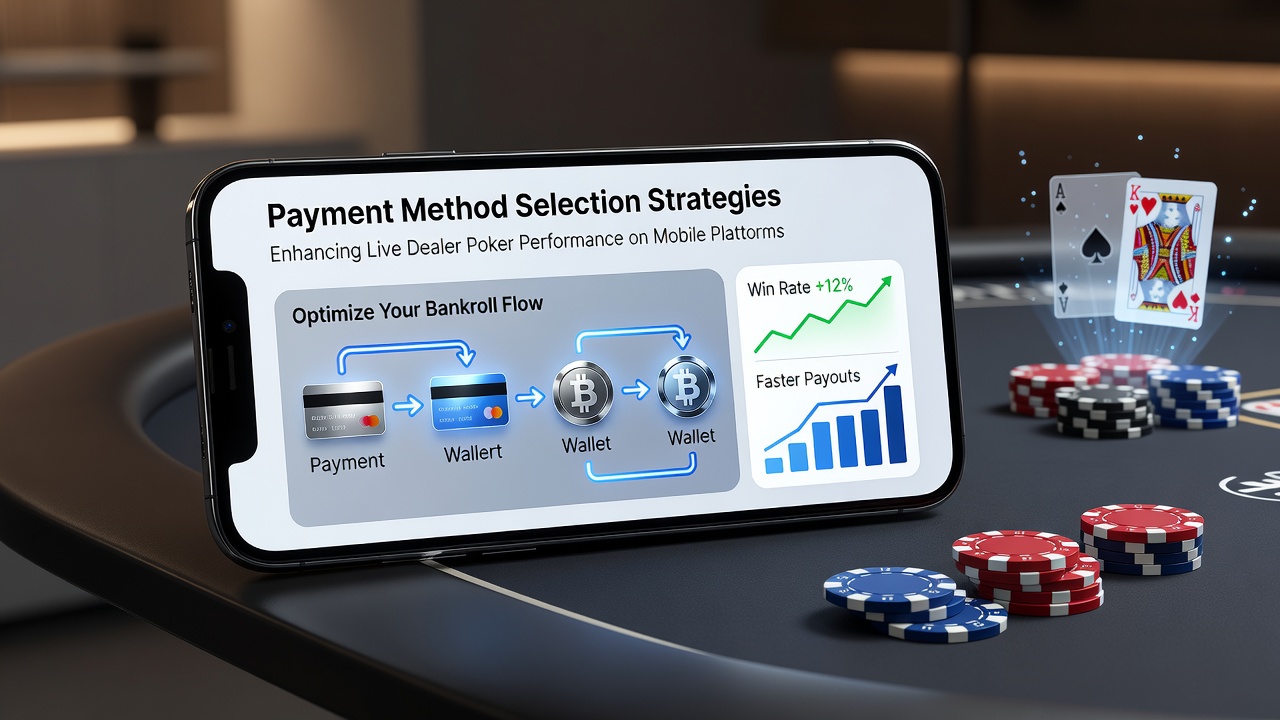
Comparative Performance Across Common Methods
E-wallets, prepaid cards, and direct bank transfers each present distinct profiles when measured against poker-specific needs such as rapid reloads during tournament structures. Observers note that e-wallets frequently enable near-instant deposits that align with the continuous nature of live dealer formats, whereas bank transfers may require additional hours for clearing even when initiated through mobile apps.
Prepaid options limit exposure by capping available funds yet introduce separate loading steps that can extend preparation time before joining a table. Data compiled by the American Gaming Association highlights that players using capped methods report fewer instances of over-commitment, though they also record shorter average session lengths due to the need for repeated top-ups.
Integration with Platform Features and Bonuses
Some mobile operators tie promotional eligibility to specific payment selections, creating an additional layer where method choice intersects with available incentives. Reports from Canadian provincial regulators demonstrate that certain deposit bonuses activate only through designated processors, which can alter the effective return profile when those bonuses apply to poker rake or entry fees.
Those examining terms find that withdrawal restrictions sometimes accompany bonus-linked deposits, requiring players to evaluate both initial speed and subsequent access to winnings. Industry summaries indicate that methods without such linkages allow greater flexibility in moving funds between platforms, supporting multi-site strategies common among experienced participants.
Conclusion
Payment method selection for mobile live dealer poker rests on measurable attributes including processing duration, associated costs, and compatibility with device interfaces. Available data from multiple regulatory sources continue to track how these attributes influence participation patterns, with updates in verification technology during 2026 contributing to smoother operational flows across tested regions. Players who review processor specifications against their typical session requirements can align choices with documented performance characteristics rather than relying on unverified assumptions.