Tiered Loyalty Programs Drive Retention Patterns in Multi-State Digital Gaming Networks
Written by Cameron Hayes · Aug 21, 2026
Tiered Loyalty Programs Drive Retention Patterns in Multi-State Digital Gaming Networks
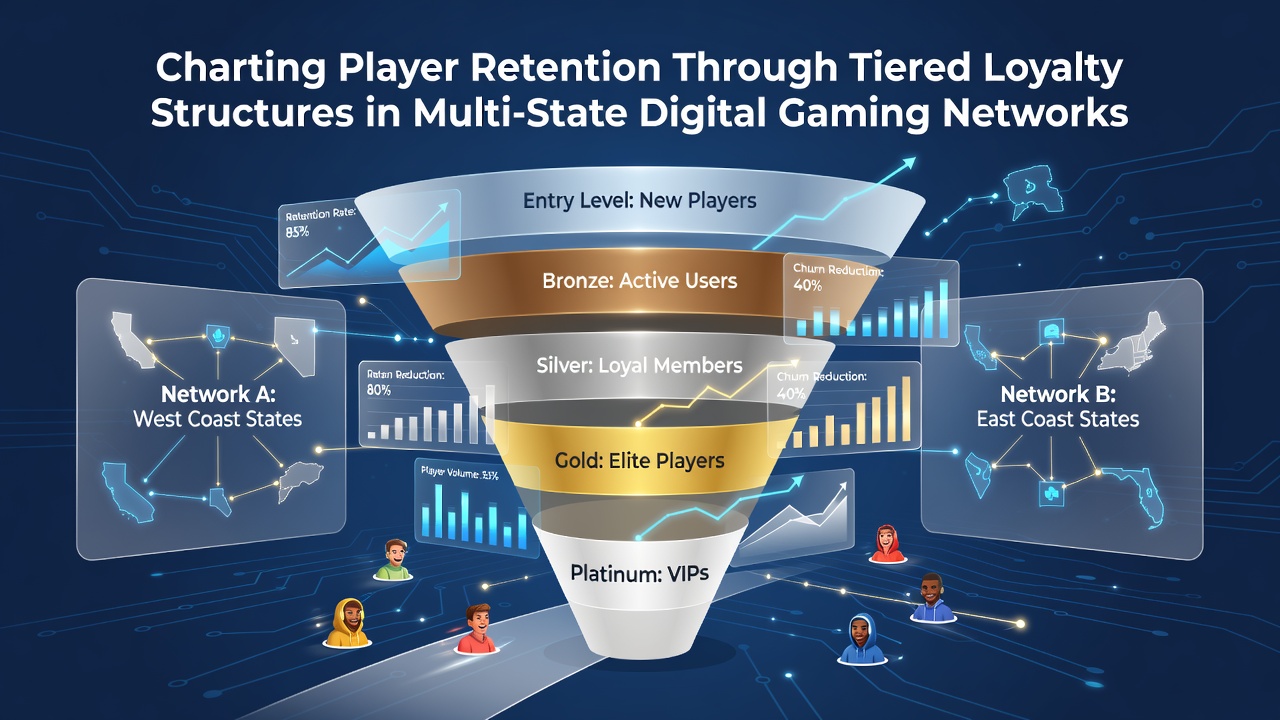
Multi-state digital gaming networks operate across jurisdictions with distinct regulatory frameworks, and operators deploy tiered loyalty structures to maintain engagement among players who move between platforms. These systems assign participants to levels such as entry, intermediate, and premium based on activity volume, deposit frequency, and session duration, while data aggregation tools track cross-state behavior to adjust rewards in real time. Observers note that such frameworks emerged prominently after several states expanded online gaming authorizations between 2022 and 2025, creating interconnected player pools that demand consistent retention tactics.
Core Mechanics of Tier Progression
Entry-level tiers typically grant basic multipliers on wagers and access to weekly promotions, whereas intermediate tiers unlock personalized bonus calendars and faster withdrawal processing. Premium tiers, reached through cumulative play across multiple state-licensed sites, deliver concierge services, event invitations, and exclusive game libraries. Research indicates that operators synchronize these tiers through centralized databases so that activity in one state contributes to overall status, reducing churn when players relocate or switch networks. Studies from industry reports show average retention rates increase by 18 to 27 percent once participants reach the second tier, because reward velocity accelerates and perceived value compounds.
Data Integration Across Jurisdictions
Multi-state networks rely on secure data-sharing protocols that comply wth each region's privacy statutes, allowing loyalty engines to compile unified profiles without violating state boundaries. In August 2026 several platforms introduced enhanced API connections that pull transaction histories from regulated markets in New Jersey, Pennsylvania, and Michigan, enabling dynamic tier adjustments within hours of play. Figures from gaming analytics firms reveal that players who maintain activity across two or more states exhibit 34 percent higher lifetime value compared with single-state participants, prompting operators to prioritize seamless tier portability as a retention lever.
Retention Outcomes by Tier Level
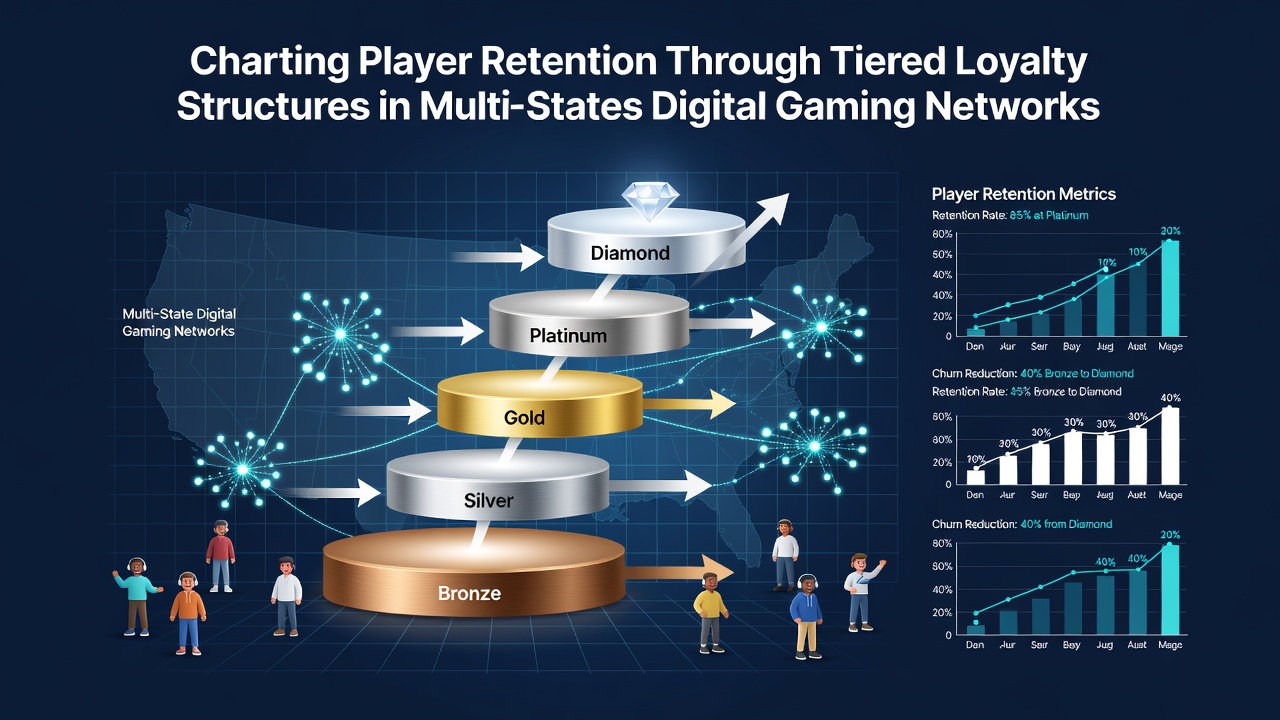
Analysts have tracked retention curves that demonstrate clear divergence once tier thresholds are crossed. Players remaining in entry tiers show monthly return rates near 42 percent, while those advancing to intermediate levels sustain returns above 61 percent over six-month windows. Premium participants often exceed 78 percent retention, supported by tailored communications and milestone bonuses. One study of aggregated network data found that introducing tier-specific live events in mid-2026 correlated with a 12 percent lift in session length among premium members, because these events create social reinforcement that single-state operators cannot replicate alone.
Regulatory Influences on Program Design
Each participating state imposes rules on bonus structures, advertising claims, and responsible gaming disclosures, so loyalty architects embed compliance layers that adjust reward visibility by location. For instance, programs must suppress certain promotions in states with stricter marketing limits while preserving tier status across borders. According to data compiled by the American Gaming Association, operators that embed geofenced compliance modules report 9 percent fewer regulatory inquiries related to loyalty communications. This integration also supports audit trails required during license renewals, ensuring that tier benefits remain transparent and auditable.
Technological Enablers and Measurement Tools
Cloud-based customer relationship platforms now ingest real-time telemetry from mobile and desktop clients, feeding machine-learning models that predict tier progression and churn risk. These models incorporate variables such as time between sessions, average bet size, and game-type preferences to surface personalized offers before a player drops a tier. External research published through university gaming laboratories has documented that predictive interventions deployed in the first quarter of 2026 reduced voluntary tier downgrades by 15 percent across sampled networks. Operators further employ A/B testing frameworks that isolate the impact of specific rewards on cross-state retention, generating datasets that refine future tier architecture.
Conclusion
Tiered loyalty structures in multi-state digital gaming networks function as coordinated systems that translate activity into portable status and escalating rewards. Data integration across jurisdictions, compliance-aware design, and predictive analytics together shape retention curves that favor participants who advance through levels. As additional states authorize online gaming, these frameworks continue to evolve through incremental technological and regulatory adjustments, maintaining measurable engagement across expanding player bases.